Why Concrete Driveways Are a Better Investment Than Asphalt
When it comes time to install or replace a driveway, homeowners face one of the most common questions in home improvement: concrete or asphalt? Both materials can get the job done, but they are far from equal when it comes to long-term value, durability, curb appeal, and overall performance. For homeowners who want a driveway that holds up for decades and enhances the look of their property, concrete consistently comes out on top. Working with experienced concrete driveway contractors ensures that the material's full potential is realized from day one. This article breaks down the key differences between the two materials and explains why concrete is the smarter, longer-lasting investment for your home.
Understanding the Basics of Each Material
What Asphalt Driveways Are Made Of
Asphalt is a petroleum-based material, which means it is composed primarily of aggregates — gravel and sand — bound together by bitumen, a byproduct of crude oil refining. It is laid hot and compresses as it cools, forming a dark, flexible surface. Because of its oil-based composition, asphalt is highly sensitive to temperature fluctuations and UV exposure, which causes it to soften in summer heat and become brittle in cold winters.
What Concrete Driveways Are Made Of
Concrete is a mixture of cement, water, sand, and aggregates such as crushed stone or gravel. Once poured and cured, it forms an extremely hard, rigid surface that can withstand tremendous weight and environmental stress. According to the Global Cement and Concrete Association, around 40% of all concrete produced is used in residential applications — a figure that underscores just how widely trusted this material is among homeowners. Skilled concrete driveway contractors know how to mix, pour, and finish concrete precisely to maximize its strength and longevity for each specific property.
Comparing Durability and Lifespan
How Long Asphalt Driveways Last
The average asphalt driveway lasts between 20 and 30 years under ideal conditions. However, that lifespan is heavily dependent on regular maintenance. Asphalt requires sealing every three to five years to prevent cracking, oxidation, and water infiltration. Without that upkeep, deterioration can begin much earlier. Potholes, ruts, and surface crumbling are all common complaints among homeowners with aging asphalt driveways. In climates with hot summers, asphalt can soften to the point where tire marks and surface indentations become a persistent problem.
How Long Concrete Driveways Last
A properly installed concrete driveway can last 30 to 50 years or more, significantly outlasting its asphalt counterpart. Concrete does not require the same intensive maintenance cycle to maintain its structural integrity. It resists softening in heat, does not oxidize, and is far less susceptible to water damage when properly sealed during installation. Reputable concrete driveway contractors take care to install proper expansion joints and ensure adequate base preparation, both of which play a critical role in preventing cracking and extending the surface's life. The bottom line: concrete simply holds up better over time.
Evaluating Maintenance Requirements
Maintaining an Asphalt Driveway
Asphalt maintenance is an ongoing commitment. Beyond resealing every few years, asphalt driveways are prone to developing cracks that, if left untreated, allow water to seep underneath the surface and accelerate deterioration. Oil and fuel spills can also stain and weaken asphalt, and the dark surface absorbs heat, which can cause softening and instability during hot weather. The cumulative cost and effort of maintaining an asphalt driveway over its lifetime is something many homeowners underestimate when making their initial choice.
Maintaining a Concrete Driveway
Concrete driveways require far less ongoing maintenance than asphalt. While occasional cleaning and sealing can enhance the surface's appearance and longevity, concrete does not demand the same repetitive upkeep cycle. It is resistant to oil and chemical spills, does not soften in high heat, and retains its structural strength without annual interventions. When issues do arise, professional concrete driveway contractors can address them efficiently, whether that involves crack repair, resurfacing, or other targeted solutions. The reduced maintenance burden is one of the most practical reasons homeowners continue to favor concrete.
Considering Curb Appeal and Design Flexibility
The Appearance of Asphalt Driveways
Asphalt offers limited design variety. Its standard look is a uniform dark gray or black surface, and there are very few options for customization in terms of color, texture, or pattern. Over time, the surface fades to a lighter gray as it oxidizes and weathers. While some homeowners appreciate the utilitarian appearance of asphalt, it does little to elevate the visual character of a home's exterior.
The Appearance of Concrete Driveways
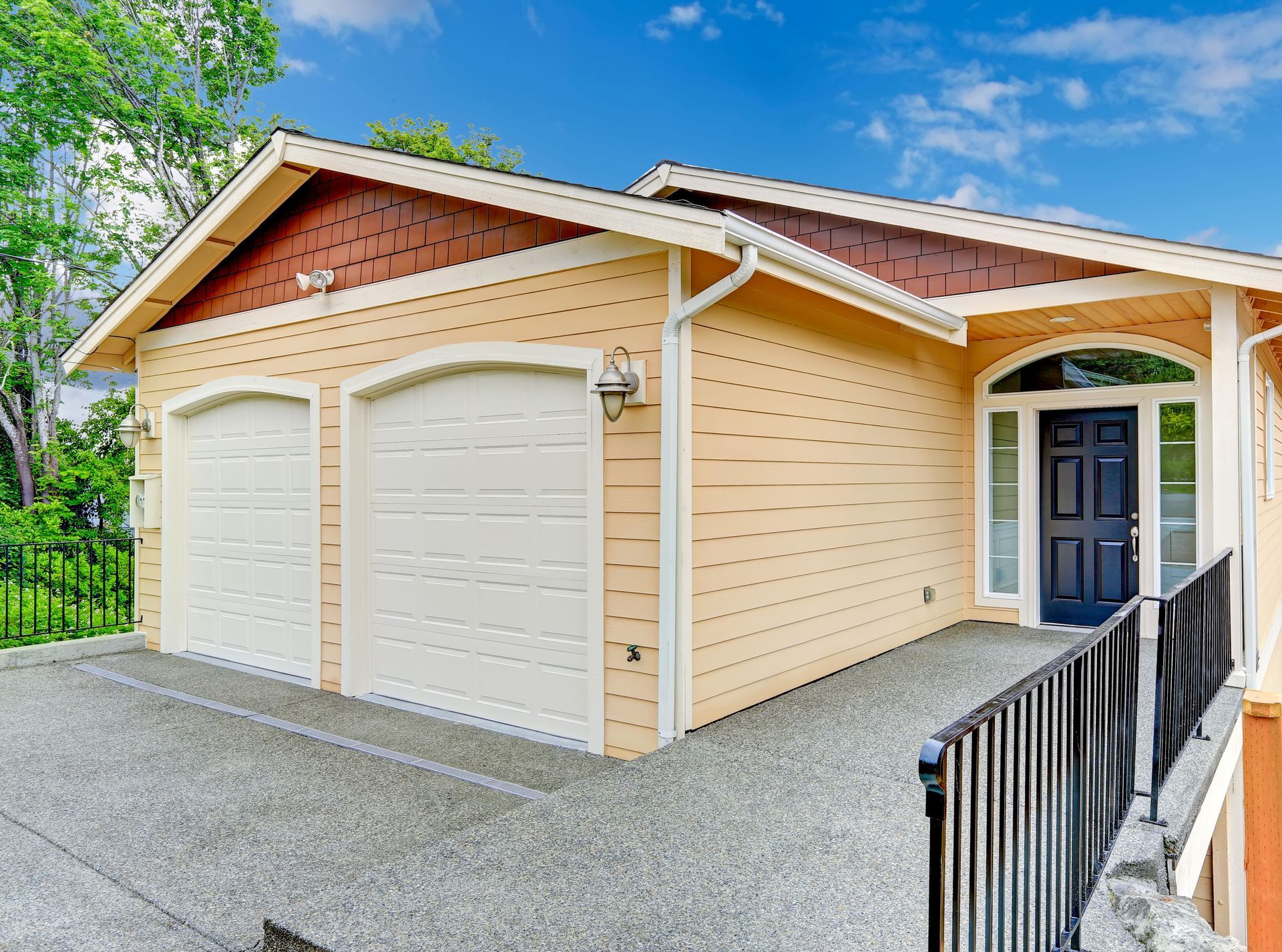
Concrete, by contrast, is one of the most versatile materials available for driveway installation. It can be finished in a variety of ways — brushed, exposed aggregate, stamped, or colored — allowing homeowners to tailor the appearance of their driveway to complement their home's architecture and landscaping. A well-designed concrete driveway can serve as a genuine focal point of a home's exterior, adding character and visual appeal that asphalt simply cannot match. Experienced concrete driveway contractors can guide homeowners through design options and help them achieve a finished product that reflects their personal style and enhances their property's overall aesthetic.
Assessing Environmental Performance
How Asphalt Responds to Environmental Conditions
Asphalt's petroleum-based composition makes it particularly vulnerable to environmental stressors. It absorbs heat from the sun, contributing to the urban heat island effect in densely developed areas. It also breaks down more quickly in regions with freeze-thaw cycles, as the material's flexibility can cause it to crack and heave when temperatures swing dramatically between seasons. Additionally, because asphalt must be resealed and replaced more frequently, it generates more material waste over its lifetime.
How Concrete Responds to Environmental Conditions
Concrete performs well across a wide range of climates. Its light color reflects rather than absorbs sunlight, making it a cooler surface in warm weather — a notable advantage for regions with intense summer heat. Modern concrete formulations have also improved significantly in terms of resistance to freeze-thaw cycles, especially when installed by knowledgeable concrete driveway contractors who understand local climate conditions and take appropriate steps during the mixing and curing process. Concrete is also a longer-lasting material overall, which means fewer replacements and less environmental impact over the life of the property.
Thinking About Long-Term Property Value
What Asphalt Contributes to Home Value
Asphalt driveways are functional, and their presence is generally expected by homebuyers in many markets. However, they rarely serve as a selling point. A worn or cracked asphalt driveway can actually detract from first impressions and signal to potential buyers that the property requires attention. The shorter lifespan of asphalt also means that buyers may factor in the cost of eventual replacement when evaluating an offer.
What Concrete Contributes to Home Value
A concrete driveway is widely regarded as a value-adding feature. Its clean appearance, long lifespan, and low maintenance requirements make it attractive to prospective buyers. When paired with other concrete services — such as patio construction, retaining wall construction, or masonry work — a concrete driveway becomes part of a cohesive outdoor design that increases the property's overall appeal. Homeowners who invest in quality concrete work installed by trusted concrete driveway contractors often find that the improvement pays dividends both in daily enjoyment and long-term property value.
When all the factors are weighed — durability, lifespan, maintenance demands, design flexibility, environmental performance, and property value — concrete emerges as the clear winner over asphalt. It lasts longer, requires less upkeep, offers far more design possibilities, and contributes meaningfully to a home's curb appeal and resale value. While asphalt may appear to offer a simpler path initially, the long-term picture tells a different story. If you are ready to explore what a concrete driveway could do for your property, Jeff Sullivan Concrete Services is available 24/7 to help. We are licensed and insured, and we offer free, same-day estimates so you can get the information you need without delay. Our
concrete driveway contractors bring experience, craftsmanship, and a commitment to quality to every project we take on — because your home deserves nothing less.